

 Français
 Español
 Deutsch
 Italiano
 Português (Brasil)
 日本語
 한국어
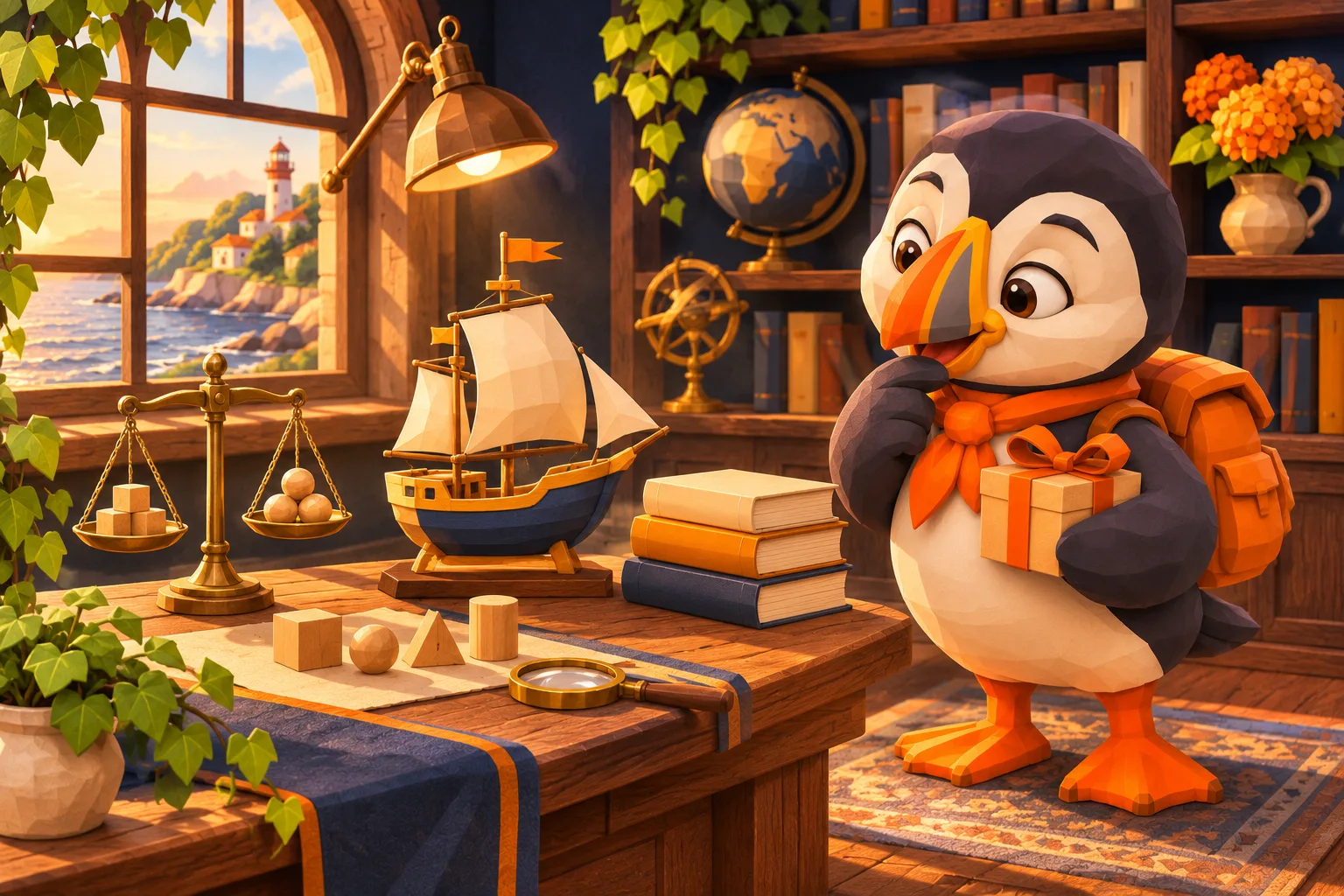
One ship, many repairs
The Ship of Theseus paradox asks how much of an object can change while it remains the same object. Plutarch tells of Athenians preserving Theseus’s ship by replacing its timbers as they wore out. Imagine that every original plank is eventually replaced. The repaired ship has one continuous history, yet it consists entirely of newer wood.
Picture the ship at launch, after its first repair, and after its final repair. Put a mark at the moment you think it becomes a different ship. If you choose the last repair, explain what makes that last plank special.
Add a second ship
Thomas Hobbes sharpened the puzzle by imagining someone saving the discarded planks and reassembling them. You can now point to two vessels, each with a claim to the original name. Pick one criterion and see which vessel it favors.
Original materials
The rebuilt vessel contains the old wood in its old arrangement. This criterion gives physical pieces the decisive role.
Continuous history
The repaired vessel continued to occupy its place and receive repairs. This criterion gives the ongoing life of the ship the decisive role.
Try it on a familiar object
Suppose a family keeps a piano for three generations. Its strings, keys, and case are gradually replaced. A museum then reconstructs a second piano from the discarded parts. Which piano should have the family’s name on its label, and which one helps a visitor see the original craftsmanship?
Those are two practical reasons to care about identity. Write one label for each piano and see whether your language can capture both the history and the materials. You might find that the labels answer different questions.